

Blog 13
Do you know how old is the Moon in the sky?
A recent study says the Moon is older than 40 million years. Isn’t that amazing, as we enjoy the daily glow and shine from the moon everyday?
Now let's talk about how everyday people perceive cryptocurrencies and share some friendly tips for beginners who are just starting their crypto journey.

Many everyday people have mixed feelings and thoughts when it comes to cryptocurrencies. Some are excited about the potential for financial growth and technological innovation, while others feel uncertain or skeptical. Here's how some common folks perceive crypto:
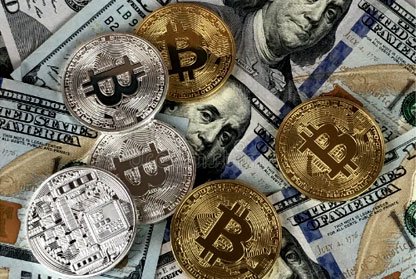
Some people see cryptocurrencies as an exciting frontier, a chance to invest, and maybe even "get in on the ground floor" of something big. They're drawn to the possibility of financial gain.


Cryptocurrencies can be complex, and the jargon can feel overwhelming. Many people find it confusing and might hesitate to dive in.
A fair number of individuals are cautious and wonder if cryptocurrencies are just a passing fad or a risky bubble waiting to burst.


Hearing stories of others' crypto success can create a fear of missing out on potential gains. This feeling can be a powerful motivator, but it's essential to approach crypto with caution.
Many people are concerned about the security of their investments. They've heard stories of hacks and scams and worry about losing their hard-earned money.

If you're new to the world of cryptocurrency, here are some tips to help you get started on the right foot:

Start by learning the basics. There are many online resources, courses, and articles that can help you understand what cryptocurrencies are and how they work.
Don't rush to invest a significant amount of money. Begin with an amount you can afford to lose. Cryptocurrencies can be volatile, and it's important to manage your risk.


Don't put all your money into a single cryptocurrency. Diversifying your investments across different assets can help spread risk.
Use reputable cryptocurrency exchanges and wallets. Consider hardware wallets for added security.

Cryptocurrency markets are fast-moving. Keep up with the latest news and developments to make informed decisions.
Be cautious of investments that promise "guaranteed" returns or sound too good to be true. If it sounds too good to be true, it probably is.


Consider holding your investments for the long term rather than constantly trading in response to short-term price fluctuations.
If you're unsure, don't hesitate to seek advice from financial experts or experienced crypto investors. They can provide valuable insights.
Crypto can be a rollercoaster. Be patient, and don't panic during price swings. It's normal for markets to go up and down.

Remember, everyone's crypto journey is unique, and there's no one-size-fits-all approach. Take your time, be cautious, and enjoy the learning process. Crypto can be an exciting adventure, but it's essential to stay emotionally balanced and financially responsible.

Due to high rate of market volatility, it's very difficult to predict which cryptocurrencies are the best for specific investment.
Crypto market is subject rapid changes.
What may be considered a top investment today could change quickly. However, cryptocurrencies like Bitcoin, Ethereum, XRP, Solana, Binance, Doge have been very successful helping both beginners and the long-standing investors.
These have been historically popular and are often considered by investors.
Bitcoin is the first and most well-known cryptocurrency. It's often seen as a digital store of value and is frequently considered a starting point for many cryptocurrency investors.

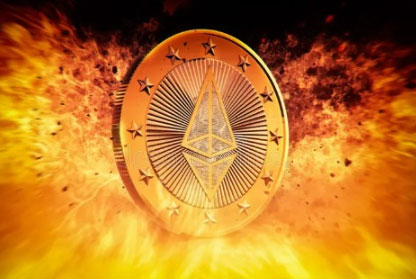
Ethereum is known for its smart contract capabilities, which have led to the development of decentralized applications (DApps). It's the second-largest cryptocurrency by market capitalization.
Binance Coin is associated with the Binance cryptocurrency exchange. It's used within the Binance ecosystem for trading fee discounts and other purposes.


Cardano is a blockchain platform known for its focus on sustainability, scalability, and interoperability. It has gained attention for its academic approach to development.

Solana is a high-performance blockchain known for its fast transaction speeds and low fees. It has gained popularity for hosting a variety of decentralized applications.

Polkadot aims to enable different blockchains to interoperate, allowing data and assets to move seamlessly between them. It's designed to promote blockchain scalability and innovation.
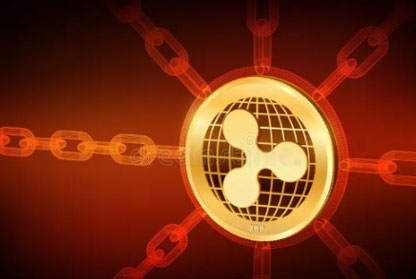
Ripple is known for its digital payment protocol more than its cryptocurrency. It's used by banks and financial institutions for cross-border payments.
Chainlink is a decentralized oracle network that connects smart contracts with real-world data. It's essential for various DeFi applications.

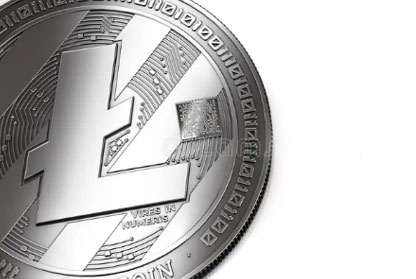
Litecoin is often referred to as the "silver" to Bitcoin's "gold." It's known for its fast transaction confirmation times.
Cardano is a blockchain platform that aims to provide a secure and scalable infrastructure for the development of smart contracts and decentralized applications (DApps).
It's important to understand that cryptocurrency investments come with inherent risks due to market volatility. Before investing, consider your own financial situation, risk tolerance, and conduct thorough research.

Diversifying your investments across multiple cryptocurrencies and assets can help spread risk. Always consult with financial professionals or do your own research to make informed investment decisions. Additionally, the popularity and performance of cryptocurrencies can change rapidly, so staying up to date with the latest developments is crucial.
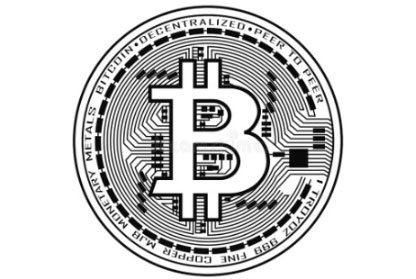
Here is the list as of September 2021:
Bitcoin is the original and most well-known cryptocurrency, often referred to as digital gold. It has the largest market capitalization.
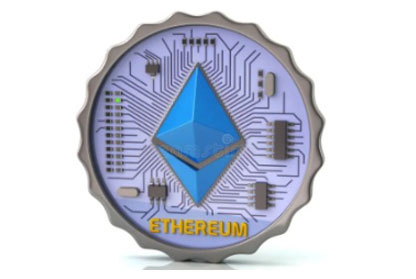
Ethereum is the second-largest cryptocurrency and is known for its smart contract capabilities, enabling decentralized applications (DApps) to be built on its blockchain.

Binance Coin is associated with the Binance cryptocurrency exchange and is used within the Binance ecosystem for various purposes, including trading fee discounts.
Binance Coin is associated with the Binance cryptocurrency exchange and is used within the Binance ecosystem for various purposes, including trading fee discounts.

(credit source: dreamstime)
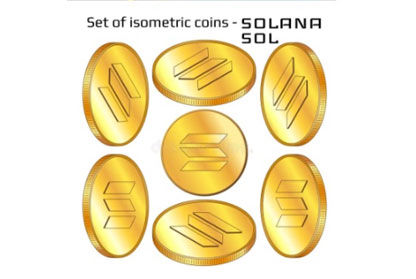
Solana is a high-performance blockchain with fast transaction speeds and low fees, making it popular for hosting decentralized applications (DApps).
Ripple is a digital payment protocol used by banks and financial institutions for cross-border payments. XRP is the native cryptocurrency of the Ripple network.
(credit source: dreamstime)
Ripple is a digital payment protocol used by banks and financial institutions for cross-border payments. XRP is the native cryptocurrency of the Ripple network.
Dogecoin started as a meme cryptocurrency but gained widespread popularity. It's known for its Shiba Inu dog logo and has a dedicated online community.

Dogecoin started as a meme cryptocurrency but gained widespread popularity. It's known for its Shiba Inu dog logo and has a dedicated online community.
Avalanche is a platform for launching custom blockchains and DApps. It focuses on scalability, security, and decentralization.


Chainlink is a decentralized oracle network that connects smart contracts with real-world data. It's critical for various DeFi applications.
Please keep in mind that the rankings and popularity of cryptocurrencies can change rapidly. It's essential to verify the most up-to-date rankings and conduct thorough research before making any investment decisions.
Cryptocurrency and blockchain are closely related concepts. Let's break down the relationship between the two:
• Cryptocurrency is a type of digital or virtual currency that uses cryptography for security.
• It is decentralized and operates on a technology called blockchain.
• Cryptocurrencies aim to provide a medium of exchange, a store of value, and a unit of account, similar to traditional currencies like the US Dollar or Euro.
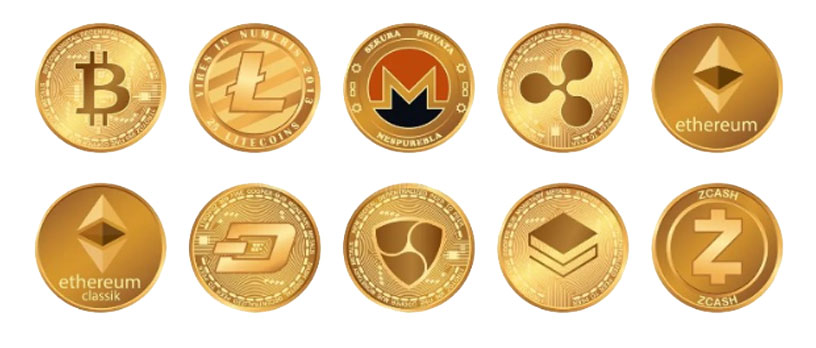
• Examples of cryptocurrencies include Bitcoin, Ethereum, Ripple (XRP), and many others.

• Blockchain is a distributed ledger technology that underlies most cryptocurrencies.
• It is a decentralized and secure system for recording transactions and managing data across a network of computers.
• Blockchain uses cryptographic techniques to ensure the integrity and security of data.
• Transactions recorded on a blockchain are immutable and transparent, making it difficult to alter or falsify information.
• Cryptocurrencies are often built on blockchain technology. For example, Bitcoin is based on the Bitcoin blockchain, and Ethereum has its own Ethereum blockchain.
• Blockchain technology enables the creation, validation, and recording of cryptocurrency transactions.
• The blockchain serves as a public ledger for all cryptocurrency transactions, making them transparent and traceable.
• Blockchain technology provides the security and trust needed for the operation of cryptocurrencies without the need for a central authority (like a bank or government).
In summary, cryptocurrencies and blockchain are closely intertwined. Cryptocurrencies are digital assets that leverage blockchain technology to enable secure, peer-to-peer transactions without the need for intermediaries. The blockchain is the underlying technology that makes cryptocurrencies possible and provides the framework for decentralized, transparent, and secure transactions.
Cryptocurrency is a specific type of digital currency that relies on cryptographic techniques for securing and verifying transactions. Here are some key characteristics of cryptocurrencies:

Cryptocurrencies are typically decentralized, meaning they operate on a network of computers (nodes) distributed across the globe. This network verifies and records transactions without the need for a central authority, such as a bank or government.
Most cryptocurrencies use blockchain technology to record and secure transactions. The blockchain is a decentralized and immutable ledger that ensures transparency and security.


Cryptocurrencies often offer a degree of user anonymity. Transactions are pseudonymous, meaning they are linked to wallet addresses rather than real-world identities.
Many cryptocurrencies have a fixed supply, meaning there is a maximum number of coins or tokens that can ever be created. For example, Bitcoin has a capped supply of 21 million coins.


Cryptocurrencies are sometimes considered assets for investment, and their prices can be highly volatile. Traders and investors buy and hold cryptocurrencies in the hope of price appreciation.
Well-known cryptocurrencies include Bitcoin (BTC), Ethereum (ETH), Ripple (XRP), and Litecoin (LTC), among others.
Digital currency is a broader term that encompasses all forms of money in digital or electronic format, including both cryptocurrencies and central bank digital currencies (CBDCs). Here are some key features of digital currency:


Digital currency includes cryptocurrencies like Bitcoin, as well as digital representations of traditional fiat currencies issued by central banks (CBDCs). These digital representations are not decentralized and are typically under the control of a central authority.
Digital currencies issued by central banks are centralized and regulated by the government. They are often used as a digital alternative to physical banknotes and coins.

(credit source: deep dream generator)

Digital currencies issued by governments are typically accepted for all types of transactions and have legal tender status.

Digital currencies are usually traceable, and transactions are recorded by financial institutions and government agencies, often for regulatory and tax purposes.
Digital currencies encompass a wide range of forms, including credit and debit card payments, digital wallets, and even the digital representation of traditional fiat currencies, like the digital Euro or digital Dollar proposed by central banks.
In summary, the primary difference is that cryptocurrency is a subset of digital currency, characterized by decentralization, use of blockchain technology, and often a degree of anonymity. Digital currency, on the other hand, includes a broader range of digital money, including both cryptocurrencies and digital representations of traditional fiat currencies issued by central authorities.


Digital currencies encompass a wide range of forms, including credit and debit card payments, digital wallets, and even the digital representation of traditional fiat currencies, like the digital Euro or digital Dollar proposed by central banks.
In summary, the primary difference is that cryptocurrency is a subset of digital currency, characterized by decentralization, use of blockchain technology, and often a degree of anonymity. Digital currency, on the other hand, includes a broader range of digital money, including both cryptocurrencies and digital representations of traditional fiat currencies issued by central authorities.
Crypto financial services often include the buying, selling, and holding of cryptocurrencies like Bitcoin and Ethereum for investment purposes. This can involve trading on cryptocurrency exchanges or holding these digital assets as part of an investment portfolio.


Many individuals and institutions engage in cryptocurrency trading to profit from price fluctuations. Crypto financial platforms and services provide tools and infrastructure for traders, such as cryptocurrency exchanges, trading bots, and analytical tools.
Crypto financial platforms also offer lending and borrowing services, allowing users to earn interest by lending their cryptocurrency holdings or access loans by using their cryptocurrencies as collateral.


Some crypto financial activities involve staking, where users lock up their tokens in a blockchain network to help secure it and earn rewards. Yield farming involves providing liquidity to decentralized finance (DeFi) platforms and earning returns in the form of interest or new tokens.
DeFi refers to a subset of crypto financial services that are decentralized and typically operate on blockchain platforms like Ethereum. DeFi projects provide a range of financial services such as lending, borrowing, trading, and earning interest without the need for traditional intermediaries like banks.


Crypto financial also includes services that enable individuals and businesses to send and receive payments in cryptocurrencies, both for online and in-person transactions.
Some crypto financial firms offer asset management services, allowing customers to invest in diversified portfolios of cryptocurrencies or tokenized assets.

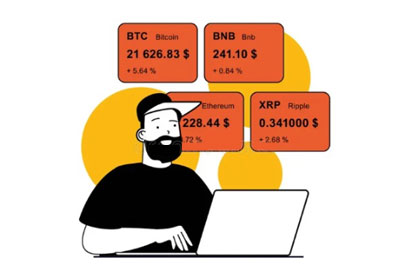
Cryptocurrency wallets are essential tools for managing and securing digital assets. Many crypto financial services offer wallet solutions for their users.
As the cryptocurrency industry evolves, there's a growing focus on regulatory compliance and ensuring that crypto financial services adhere to relevant financial regulations in different jurisdictions.

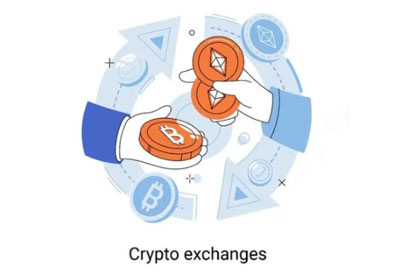
Crypto financial services often revolve around cryptocurrency exchanges, which are platforms where users can buy, sell, and trade various cryptocurrencies.
Institutional investors often rely on crypto financial firms to provide custody services for their digital assets, ensuring their secure storage and management.
In essence, "crypto financial" is an umbrella term for the wide range of financial services and products that have emerged in the cryptocurrency and blockchain space, providing individuals and institutions with new ways to manage, invest, and transact with digital assets. However, it's essential to note that the cryptocurrency industry is rapidly evolving, and its services can vary significantly depending on the provider and the specific offerings.


Before investing in Bitcoin or any other cryptocurrency, it's essential to thoroughly research the technology, the team behind it, and its potential use cases. Understand the risks and potential rewards.
Don't put all your investments into a single asset, such as Bitcoin. Diversification can help spread risk and reduce the impact of price volatility in any single asset.


Cryptocurrencies are known for their price volatility. It's crucial to invest only money you can afford to lose without causing financial hardship.
Use reputable cryptocurrency exchanges and wallets. Consider using hardware wallets for long-term storage to protect your assets from hacks and theft.


The cryptocurrency market is dynamic, and news and events can have a significant impact on prices. Stay up to date with the latest developments and news in the crypto space.
Rather than trying to time the market for short-term gains, consider a long-term investment perspective. Historically, Bitcoin has shown significant price growth over the years.


This is a popular term in the crypto community, meaning that you should hold your investments through market fluctuations rather than panic selling during price dips.
DCA involves regularly buying a fixed dollar amount of Bitcoin, regardless of its price. This strategy can help reduce the impact of market volatility and allows you to accumulate Bitcoin over time.


Be aware of tax regulations related to cryptocurrency in your jurisdiction. Ensure that you report your cryptocurrency investments and transactions accurately to avoid legal issues.
The crypto space has its share of scams and fraudulent schemes. Be cautious and skeptical of any offers that seem too good to be true.

Learn about the security of the Bitcoin network and understand the role of miners and nodes in the system. The security and decentralization of the network are fundamental to its long-term success.
Be aware of regulatory developments in your country or region. Cryptocurrency regulations are evolving, and changes can impact the market and your ability to trade or hold Bitcoin.
Remember that investing in Bitcoin or any other cryptocurrency involves inherent risks, and past performance is not indicative of future results. It's essential to make informed decisions and consider your financial situation and risk tolerance before investing.

If the price of Bitcoin is indeed $34,000 as of October 2023, the same principles apply, but market conditions may have changed, so always stay informed and adapt your strategies accordingly.
Cryptocurrency markets are highly volatile and subject to rapid changes, and predicting specific investments in November 2023 would be speculative.
However, the following general tips help you for evaluating potential cryptocurrency investments in any timeframe:

Stay informed about the latest developments in the cryptocurrency space. Research the technology, use case, team, and community behind each cryptocurrency you're considering.
(credit source: dreamstime)
As with any investment, it's generally wise to diversify your portfolio. Don't put all your funds into a single cryptocurrency.


Decide whether you're looking for short-term gains or are willing to hold your investments for the long term. Your strategy will influence your choice of cryptocurrencies.
Assess your risk tolerance and invest only what you can afford to lose. Cryptocurrencies can be highly volatile, and prices can fluctuate dramatically.

Use reputable cryptocurrency exchanges and secure wallets to store your assets. Security is paramount in the cryptocurrency space.
Consider the practical utility and use case of the cryptocurrency. Does it solve a real-world problem or have a unique value proposition?


A strong and active development team, as well as an engaged and supportive community, can be indicators of a cryptocurrency's potential for growth.
Be aware of the regulatory environment in your jurisdiction. Regulations can impact the use and trading of cryptocurrencies.


Continuously monitor the cryptocurrency market and news for any updates or events that could affect your investments.
Be cautious of cryptocurrencies that are heavily hyped without clear fundamentals. Beware of potential scams and fraudulent projects.


Consider consulting with a financial advisor or professional with expertise in cryptocurrencies and investments for personalized guidance.
It's important to approach cryptocurrency investments with caution and due diligence. Before making any investment decisions, it's a good idea to consult with financial experts and conduct thorough research. The cryptocurrency market is known for its volatility, and there are risks associated with any investment. Always invest responsibly and within your means.