Blog 27

Embarking on your crypto trading journey? Uncover key strategies and valuable tips tailored for beginners to navigate the dynamic world of cryptocurrency. From when to buy to mastering the art of selling, this guide has you covered with insights that can help you make informed decisions and optimize your trading experience.

• Explore the basics of crypto trading and familiarize yourself with key terms.
• Set realistic goals and establish your risk tolerance to guide your investment decisions.
• Understand different buy and sell strategies, including market orders, limit orders, and more.
• Learn to analyze market trends and identify potential entry and exit points for your trades.


• Stay updated on the latest market trends and understand how they impact the value of cryptocurrencies.
• Explore technical analysis tools and indicators to gain insights into future price movements.
• Implement effective risk management strategies to safeguard your capital.
• Diversify your portfolio to mitigate risks associated with individual cryptocurrencies.


• Explore the concept of market timing and how it can influence your buying and selling decisions.
• Understand the role of market sentiment and breaking news in timing your trades effectively.
• Select reputable cryptocurrency exchanges that prioritize security and offer a user-friendly experience.
• Consider trading fees, available features, and user reviews when choosing the right platform for you.


• Keep yourself informed on industry news, regulatory changes, and global events affecting the crypto market.
• Utilize reliable sources, including news websites, forums, and social media, to stay ahead of the curve.
• Develop emotional discipline to avoid making impulsive decisions based on fear or greed.
• Stick to your trading plan and keep a rational mindset even during market fluctuations.


• Understand the importance of setting stop-loss orders to limit potential losses.
• Explore take-profit orders to secure profits when the market reaches your predetermined targets.
• Acknowledge that the cryptocurrency market is dynamic, and continuous learning is crucial for staying relevant.
• Explore educational resources, attend webinars, and join online communities to enhance your understanding.


• Connect with experienced traders and enthusiasts in the crypto community.
• Share insights, seek advice, and learn from the experiences of others to refine your trading strategies.
• Prioritize the security of your crypto assets by implementing robust security measures.
• Utilize hardware wallets, enable two-factor authentication, and be cautious of phishing scams.


• Familiarize yourself with the tax implications of cryptocurrency trading in your jurisdiction.
• Keep accurate records of your transactions to simplify the tax reporting process.
• Explore the concept of "HODLing" as a long-term investment strategy.
• Understand the potential benefits of holding onto assets through market fluctuations.


• Be flexible and adaptable in your trading strategies to respond to changing market conditions.
• Regularly reassess your portfolio and adjust your approach based on new information.
• Set aside time for regular portfolio assessments to track the performance of your investments.
• Consider adjusting your portfolio based on your financial goals and the changing market landscape.


• Create a feedback loop by reviewing your past trades.
• Analyze both successful and unsuccessful trades to identify patterns and refine your strategies.
• Actively engage with the crypto community through forums, social media, and events.
• Participate in discussions, share your experiences, and learn from the diverse perspectives of other traders.


• Explore the concept of dollar-cost averaging as a method to invest consistently over time.
• This strategy can help smooth out the impact of market volatility on your overall investment.
• Stay informed about the legal and regulatory landscape governing cryptocurrency in your region.
• Ensure that your trading activities comply with relevant laws and regulations.


• Attend crypto conferences and networking events to expand your knowledge and meet industry experts.
• These events provide valuable insights and networking opportunities for both beginners and seasoned traders.
• Stay informed about technological advancements in the crypto space, such as upgrades to blockchain networks.
• Embrace innovations that could impact the overall efficiency and security of your trades.


• Develop clear exit strategies for both profitable and losing trades.
• Knowing when to exit a trade is as crucial as knowing when to enter.
• Maintain a trading journal to document your decisions, strategies, and emotions during trades.
• A trading journal can serve as a valuable tool for self-reflection and improvement.


• Celebrate your trading achievements and milestones along the way.
• Recognizing your progress can boost confidence and motivation.
• Create a watchlist of cryptocurrencies that align with your investment goals.
• Stay informed about news and developments related to these assets for timely decision-making.


• Explore various technical analysis tools, such as charts and indicators.
• Understand how to interpret these tools to gain deeper insights into market trends.
• Consider using social trading platforms where you can mimic the trades of experienced investors.
• Learn from the strategies of successful traders while managing your own risk.

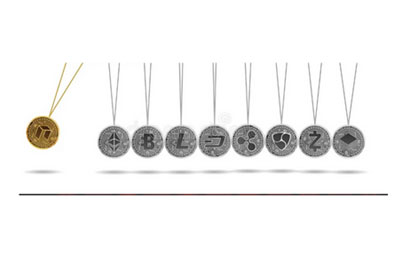
• Explore the use of stablecoins to hedge against market volatility.
• Understand how stablecoins can act as a store of value during turbulent market conditions.
• Enroll in formal crypto education courses or certifications.
• Supplement your formal education with continuous informal learning from reputable sources.


• Pay attention to macro-economic factors that could influence the entire cryptocurrency market.
• Understand how global economic trends may impact the value of digital assets.
• Consider building a diversified, long-term portfolio that aligns with your financial goals.
• Balance high-risk, high-reward assets with more stable investments for sustained growth.


• Dive into the whitepapers of projects you're interested in.
• Evaluate the fundamentals, technology, and goals outlined in these documents.
• Use price alerts and notifications to stay informed about market movements.
• Being proactive allows you to make timely decisions based on real-time data.


• Consider using simulated trading platforms to practice your strategies without real financial risk.
• Gain valuable experience before engaging in live trading.
• Remember that cryptocurrency investment involves risk, and there are no guaranteed profits. It's crucial to approach the market with a well-informed and disciplined mindset. By combining these advanced strategies with the foundational principles for beginners, you'll be better equipped to navigate the evolving landscape of crypto trading. Continuously adapt, learn from experiences, and enjoy the journey of growing as a cryptocurrency investor. Best of luck!


• Embarking on the crypto investment journey is an exciting endeavor, and success comes with dedication, continuous learning, and a proactive approach. By integrating these strategies into your trading routine, you'll be well-equipped to navigate the complexities of the cryptocurrency market. Remember that every trade is a learning opportunity, and with time and experience, you can become a more confident and successful crypto investor. Happy trading!
• In conclusion, the world of crypto trading offers exciting opportunities for beginners willing to learn and adapt. By understanding buy and sell strategies, staying informed on market trends, and mastering emotional discipline, you can build a solid foundation for successful trading. Remember that patience, continuous learning, and adapting to the ever-evolving market are key components of a successful crypto trading journey. Best of luck on your investment endeavors, and may your crypto ventures be both rewarding and fulfilling!
• Armed with these comprehensive strategies and tips, beginners can confidently navigate the crypto trading landscape. Remember, success in crypto trading comes with knowledge, discipline, and continuous learning. Start your journey today and may your trades be ever profitable!
• Learn how to analyze market trends to identify potential entry points for buying or selling.
• Explore technical analysis tools and indicators to gain insights into price movements.
• Establish achievable goals and risk tolerance levels before engaging in trading.
• Develop a well-defined trading plan to guide your decision-making process.

• Implement effective risk management practices to protect your investment.
• Diversify your portfolio to mitigate risks associated with individual cryptocurrencies.
• Explore the concept of market timing and how it can impact your buying and selling decisions.
• Understand the significance of market sentiment and news in timing your trades.


• Select reputable cryptocurrency exchanges that prioritize security and offer a user-friendly experience.
• Research trading fees and features to find platforms that align with your trading preferences.
• Stay updated on industry news, regulatory developments, and global events influencing the cryptocurrency market.
• Utilize reliable sources for market analysis and commentary.


• Develop emotional discipline to avoid impulsive decisions driven by fear or greed.
• Set realistic expectations and understand that losses are a part of the trading journey.
• Implement stop-loss orders to limit potential losses during market downturns.
• Utilize take-profit orders to secure profits when the market reaches your predefined target.
Armed with these strategies and tips, beginners can navigate the complexities of crypto trading with confidence. Remember, continuous learning and adapting to the evolving market are key to long-term success. Happy trading!