

Blog 46

Bitcoin, the world's first and most well-known cryptocurrency, has always been a topic of intense interest and speculation. Investors, traders, and enthusiasts closely monitor its price movements and make predictions based on various factors. This blog post delves into the dynamics of **BTC price movement** and offers insights into Bitcoin price predictions for 2024.
Bitcoin's price history is marked by significant volatility and dramatic price swings. Since its inception in 2009, Bitcoin has seen several bull and bear markets, each influenced by a variety of factors. In 2017, Bitcoin reached an all-time high of nearly $20,000, driven by a surge in mainstream interest and media coverage.
In 2020 and 2021, Bitcoin experienced another massive bull run, reaching a new all-time high of over $60,000. This rise was fueled by increased institutional adoption and the growing acceptance of Bitcoin as a hedge against inflation. However, the subsequent years have also seen corrections and periods of consolidation.
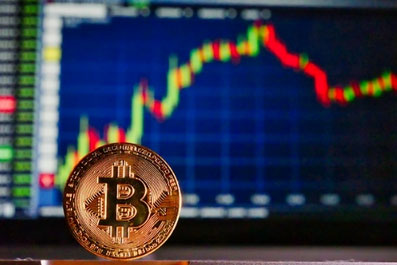
**Market Demand and Supply**: The fundamental economic principle of demand and supply significantly impacts Bitcoin prices. When demand outpaces supply, prices rise, and vice versa.
**Regulatory News**: Regulatory developments worldwide can have a profound effect on Bitcoin prices. Positive news, such as the approval of Bitcoin ETFs, can drive prices up, while negative news, like bans or restrictions, can lead to price drops.
**Technological Advancements**: Innovations and upgrades in the Bitcoin network, such as the implementation of the Lightning Network, can enhance Bitcoin's functionality and appeal, potentially boosting its price.
**Macro-Economic Factors**: Global economic events and policies, including changes in interest rates, inflation, and geopolitical tensions, can influence Bitcoin prices as investors seek alternative assets.
**Institutional Adoption**: The entry of institutional investors into the Bitcoin market has been a major driver of price increases. Large-scale investments from companies like Tesla and MicroStrategy have validated Bitcoin as a store of value.
Experts have varied opinions on Bitcoin's price trajectory for 2024. Some analysts predict that Bitcoin could reach new highs, surpassing the $100,000 mark, driven by continued institutional adoption and favorable market conditions. Others caution that regulatory challenges and market volatility could temper price growth.
Price prediction models, such as the Stock-to-Flow model, suggest that Bitcoin's scarcity could drive its price higher in the long term. However, it is important to consider both optimistic and pessimistic forecasts to get a balanced view.


Recent trends in Bitcoin price movements show a pattern of consolidation following significant rallies. Technical analysis indicates key support and resistance levels that traders watch closely. Sentiment analysis from the cryptocurrency community, including social media trends and trading volume, can provide insights into market behavior.
For detailed technical analysis and recent market trends, you can refer to other insightful articles on [Cryptomom.net](https://www.cryptomom.net).
For **short-term investors**Understanding market trends and technical indicators is crucial. Short-term strategies might involve frequent trading to capitalize on Bitcoin's volatility. Tools like stop-loss orders can help manage risk and protect investments.
**Long-term investors** may focus on holding Bitcoin, anticipating that its value will increase over time. This "HODL" strategy, as it is known in the crypto community, is based on the belief in Bitcoin's long-term potential. Diversifying the investment portfolio to include other cryptocurrencies can also mitigate risks.
**Volatility and Market Risks**: Bitcoin's price is highly volatile, which can lead to significant gains or losses. Investors should be prepared for price swings and have a clear risk management strategy.
**Regulatory Uncertainties**: Changes in regulations can impact Bitcoin's price. Keeping abreast of regulatory developments and understanding their implications is crucial for investors.
**Technological and Security Concerns**: Security breaches and technological failures can affect Bitcoin prices. Ensuring the use of secure wallets and staying informed about technological advancements is vital.
The journey of investing in Bitcoin can be as rewarding as it is challenging. By understanding **BTC price movement** and making informed decisions, investors can navigate the volatile landscape of cryptocurrency. Staying updated with expert analysis and market trends, like those found on [Cryptomom.net](https://www.cryptomom.net), can provide valuable insights. Whether you are a short-term trader or a long-term holder, the key to success lies in staying informed, managing risks, and maintaining a balanced approach.

Bitcoin (BTC) remains the flagship cryptocurrency, continuously drawing attention from investors worldwide. Understanding BTC price movements and predictions can aid in making informed investment decisions. In this blog post, we will explore Bitcoin's price predictions, its movement trends, and offer some investment strategies for both short-term and long-term holders.
As of mid-2024, Bitcoin has shown significant volatility, which is characteristic of cryptocurrency markets. Recent data from Binance suggests that BTC has been fluctuating between $30,000 and $35,000, with analysts predicting potential upward movement due to increasing institutional interest and broader adoption of blockchain technologies.

Several sources provide varying predictions for Bitcoin's price by the end of 2024:
• Binance: Predicts Bitcoin could reach between $40,000 and $50,000, depending on market conditions and investor sentiment? (Binance)?? (Binance)?
• CoinGecko: Suggests a more conservative estimate, projecting a range of $35,000 to $45,000? (Binance)?
• CoinMarketCap: Aligns closely with CoinGecko, expecting BTC to hover around $38,000 to $42,000? (Binance)?.
• Coinbase: Offers a bullish scenario where Bitcoin might touch $50,000 if regulatory conditions remain favorable and adoption rates increase? (Binance)?
For short-term investors, timing the market is crucial. Key tips include:
• Monitor Market Sentiment: Use tools and news platforms like Cointelegraph and Bitcoin.com for real-time updates.
• Technical Analysis: Employ chart patterns and indicators such as moving averages and RSI to identify entry and exit points.
• Risk Management: Set stop-loss orders to minimize potential losses during high volatility periods.
For those considering a long-term approach:
• Fundamental Analysis: Evaluate Bitcoin's long-term potential based on technological advancements, regulatory landscape, and adoption rates.
• Diversification: Spread investments across different cryptocurrencies to mitigate risk.
• Hodling: Adopt a "buy and hold" strategy to weather market fluctuations, focusing on Bitcoin's potential growth over several years.
• Limited Supply: Bitcoin's supply is capped at 21 million coins, creating scarcity which can drive price increases.
• First Cryptocurrency: Launched in 2009, Bitcoin was the first cryptocurrency, setting the foundation for the entire digital currency market.
• Adoption by Institutions: Increasing interest from institutional investors like MicroStrategy and Tesla has significantly influenced BTC price movements.
Predicting Bitcoin's future price involves analyzing various factors including market trends, regulatory news, and technological developments. Both short-term and long-term investors can benefit from understanding these dynamics and employing appropriate strategies. For the latest BTC price updates and detailed analysis, visit platforms like Binance, CoinGecko, and CoinMarketCap.
By staying informed and strategically planning investments, one can navigate the volatile yet promising world of Bitcoin with greater confidence.