

Blog 73
At its core, cryptocurrency is a digital or virtual currency that utilizes cryptography for security. Unlike traditional currencies issued by governments1 (fiat currencies), cryptocurrencies operate independently, often on a decentralized network. This means they are not controlled by any single entity, such as a central bank.
• Key Characteristics of Cryptocurrency

• Blockchain: This is the underlying technology that powers most cryptocurrencies. It's a secure and transparent digital ledger that records all transactions on the network. Imagine it as a shared, unchangeable record book accessible to everyone.
• Decentralization: This is a key feature of blockchain and cryptocurrencies. It means that no single entity controls the network. Transactions are verified and recorded by a network of computers, making it resistant to censorship and manipulation.
• Cryptography: This is the use of complex mathematical algorithms to secure and encrypt data. Cryptography is essential for securing cryptocurrency transactions and protecting user funds.
• Bitcoin (BTC): The first and most well-known cryptocurrency.
• Ethereum (ETH): A platform that allows developers to build and deploy decentralized applications (dApps).
• Tether (USDT): A stablecoin pegged to the US dollar, designed to minimize price volatility.
• Choose a Cryptocurrency Exchange: Select a reputable exchange like Coinbase, Binance, or Kraken.
• Set Up a Wallet: Create a digital wallet to store your cryptocurrencies. Options include software wallets, hardware wallets, and paper wallets.
• Fund Your Account: Deposit funds into your exchange account using your bank account or credit/debit card.
• Buy Cryptocurrency: Select the cryptocurrency you wish to purchase and place an order.
• Store Your Cryptocurrency: Transfer your purchased cryptocurrency to your personal wallet for safekeeping.

Mining is the process of verifying and adding cryptocurrency transactions to the blockchain. Miners use powerful computers to solve complex mathematical problems. In return for their efforts, miners receive rewards in cryptocurrency.
10 Reasons Why You Should Invest in Cryptocurrency (Disclaimer: Investing in cryptocurrencies involves significant risks):
• Decentralization: Reduces reliance on traditional financial systems.
• Potential for High Returns: Cryptocurrencies have the potential for significant price appreciation.
• Hedging Against Inflation: Some cryptocurrencies, like Bitcoin, are seen as a hedge against inflation.
• Increased Financial Inclusion: Cryptocurrencies can provide access to financial services for the unbanked.
• Innovation: The blockchain technology underlying cryptocurrencies has the potential to revolutionize various industries.

• Community and Transparency: Many cryptocurrency communities are active and passionate.
• Investment Diversification: Cryptocurrencies can offer diversification to your investment portfolio.
• Supporting Innovation: Investing in cryptocurrencies can support the development of innovative technologies.
• Potential for Social Impact: Cryptocurrencies can be used to support charitable causes and social impact projects.
• Learning Opportunity: Engaging with cryptocurrencies can be a valuable learning experience.
• Volatility: Cryptocurrency prices can fluctuate dramatically, making them a risky investment.
• Security Risks: Cryptocurrencies are susceptible to hacking and scams.
• Regulation: The regulatory landscape for cryptocurrencies is still evolving, which can create uncertainty.
• Environmental Concerns: Some cryptocurrency mining processes have a significant environmental impact.

Disclaimer: This information is for educational purposes only and does not constitute financial advice. Investing in cryptocurrencies involves significant risks, and you should always conduct thorough research and consult with a qualified financial advisor before This guide provides a basic overview of cryptocurrencies. Remember to stay informed and continue learning as the crypto space is constantly evolving.
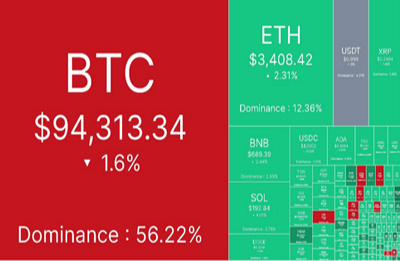
The global cryptocurrency market cap is currently fluctuating but generally sits in the trillions of dollars.1 This figure represents the combined market value of all cryptocurrencies.
• Bitcoin (BTC): Bitcoin continues to dominate the market, holding the largest market share. This dominance stems from its first-mover advantage, strong brand recognition, and established position as a store of value.
• Altcoins: Altcoins (alternative cryptocurrencies) make up the remaining market share. This category encompasses a vast array of cryptocurrencies, each with unique features, technologies, and use cases.
• Start Small and Gradually Increase: Begin with a small investment to familiarize yourself with the market and minimize initial risk. As you gain confidence and knowledge, you can gradually increase your investment.
• Diversify Your Portfolio: Don't put all your eggs in one basket. Diversify your portfolio across different cryptocurrencies, including Bitcoin, Ethereum, and promising altcoins with strong fundamentals.3
• Focus on Long-Term Investments: The cryptocurrency market is volatile.4 Short-term trading can be risky.5 Consider long-term investments for better potential returns.

• Stay Informed: Keep up-to-date with the latest news, trends, and developments in the crypto space. This will help you make informed investment decisions.
• Consider Dollar-Cost Averaging: Invest a fixed amount of money at regular intervals, regardless of market price fluctuations.6 This strategy can help you average out your investment costs over time.
• Price Appreciation: The primary way to profit from crypto investments is through price appreciation. If the value of your cryptocurrencies increases, you can sell them at a profit.
• Staking and Yield Farming: Some cryptocurrencies offer staking rewards or allow you to participate in yield farming programs, which can generate passive income.7
• Trading: Active trading involves buying and selling cryptocurrencies to capitalize on short-term price fluctuations.8 However, this strategy requires significant knowledge and experience.

Choosing the "best" exchange depends on your individual needs and preferences. Some popular and reputable exchanges include:
• Coinbase: User-friendly interface, wide range of cryptocurrencies, and robust security features.9
• Binance: Large trading volume, low fees, and advanced trading options.
• Kraken: Known for its security and support for professional traders.10
• Crypto.com: Offers a wide range of financial products, including a cryptocurrency exchange, debit card, and lending platform.11
• Security: Prioritize security by using strong passwords, enabling two-factor authentication, and storing your cryptocurrencies in secure wallets.12
• Regulation: Stay informed about the regulatory landscape in your jurisdiction.
• Risk Management: Understand the risks associated with cryptocurrency investments, including price volatility and potential scams.
Disclaimer: This information is for general knowledge and discussion purposes only and does not constitute financial advice. Always conduct thorough research and consider consulting with a qualified financial advisor before making any investment decisions.13
The cryptocurrency market is renowned for its volatility, characterized by significant price fluctuations within short timeframes.1 This volatility stems from several factors, including:
• Market Immaturity: The cryptocurrency market is relatively young compared to traditional financial markets, leading to greater price swings due to less established market mechanisms.2
• Supply and Demand Dynamics: Rapid changes in investor sentiment, news events, and regulatory developments can drastically impact supply and demand, causing significant price fluctuations.3
• Speculative Trading: The speculative nature of the cryptocurrency market, with many investors focused on short-term price gains, can exacerbate volatility.4
• Lack of Regulation: The lack of comprehensive regulation in many jurisdictions can create uncertainty and contribute to market volatility.5
• Diversification: Diversify your portfolio across different cryptocurrencies, including Bitcoin, Ethereum, and promising altcoins with strong fundamentals.6 This reduces your exposure to the risk associated with any single cryptocurrency.7
• Risk Assessment: Conduct thorough research and due diligence before investing in any cryptocurrency. Understand the project's technology, team, and market potential.
• Dollar-Cost Averaging: Invest a fixed amount of money at regular intervals, regardless of market price fluctuations.8 This strategy can help you average out your investment costs over time.9
• Stop-Loss Orders: Set stop-loss orders to automatically sell your cryptocurrencies if the price falls below a certain threshold.10 This can help limit potential losses.11
• Cold Storage: Store your cryptocurrencies in secure offline wallets (cold storage) to protect them from hacking and theft.12
• Stay Informed: Keep up-to-date with the latest news, trends, and developments in the cryptocurrency market. This will help you make informed13 investment decisions and react to potential risks.
• Emotional Discipline: Avoid making impulsive decisions based on fear or greed.14 Stick to your investment strategy and avoid panic selling during market downturns.
Remember, investing in cryptocurrencies involves significant risk.15 It's crucial to understand the risks involved and only invest what you can afford to lose.
Disclaimer: This information is for general knowledge and discussion purposes only and does not constitute financial advice. Always conduct thorough research and consider consulting with a qualified financial advisor before making any investment decisions.16
The cryptocurrency market is renowned for its volatility, characterized by significant price fluctuations within short timeframes.1 This volatility stems from several factors, including:
• Market Immaturity: The cryptocurrency market is relatively young compared to traditional financial markets, leading to greater price swings due to less established market mechanisms.2
• Supply and Demand Dynamics: Rapid changes in investor sentiment, news events, and regulatory developments can drastically impact supply and demand, causing significant price fluctuations.3
• Speculative Trading: The speculative nature of the cryptocurrency market, with many investors focused on short-term price gains, can exacerbate volatility.4
• Lack of Regulation: The lack of comprehensive regulation in many jurisdictions can create uncertainty and contribute to market volatility.5
• Diversification: Diversify your portfolio across different cryptocurrencies, including Bitcoin, Ethereum, and promising altcoins with strong fundamentals.6 This reduces your exposure to the risk associated with any single cryptocurrency.7
• Risk Assessment: Conduct thorough research and due diligence before investing in any cryptocurrency. Understand the project's technology, team, and market potential.
• Dollar-Cost Averaging: Invest a fixed amount of money at regular intervals, regardless of market price fluctuations.8 This strategy can help you average out your investment costs over time.9
• Stop-Loss Orders: Set stop-loss orders to automatically sell your cryptocurrencies if the price falls below a certain threshold.10 This can help limit potential losses.11
• Cold Storage: Store your cryptocurrencies in secure offline wallets (cold storage) to protect them from hacking and theft.12
• Stay Informed: Keep up-to-date with the latest news, trends, and developments in the cryptocurrency market. This will help you make informed13 investment decisions and react to potential risks.
• Emotional Discipline: Avoid making impulsive decisions based on fear or greed.14 Stick to your investment strategy and avoid panic selling during market downturns.
Remember, investing in cryptocurrencies involves significant risk.15 It's crucial to understand the risks involved and only invest what you can afford to lose.
Disclaimer: This information is for general knowledge and discussion purposes only and does not constitute financial advice. Always conduct thorough research and consider consulting with a qualified financial advisor before making any investment decisions.16
Note: This blog post is for informational purposes only and should not be considered financial advice.